Establish a Digital Cutoff
Set a specific time to stop using electronic devices. This may help reduce exposure to stimulating content and blue light that can interfere with your natural sleep signals.
Simple practices to help you wind down and transition peacefully into rest
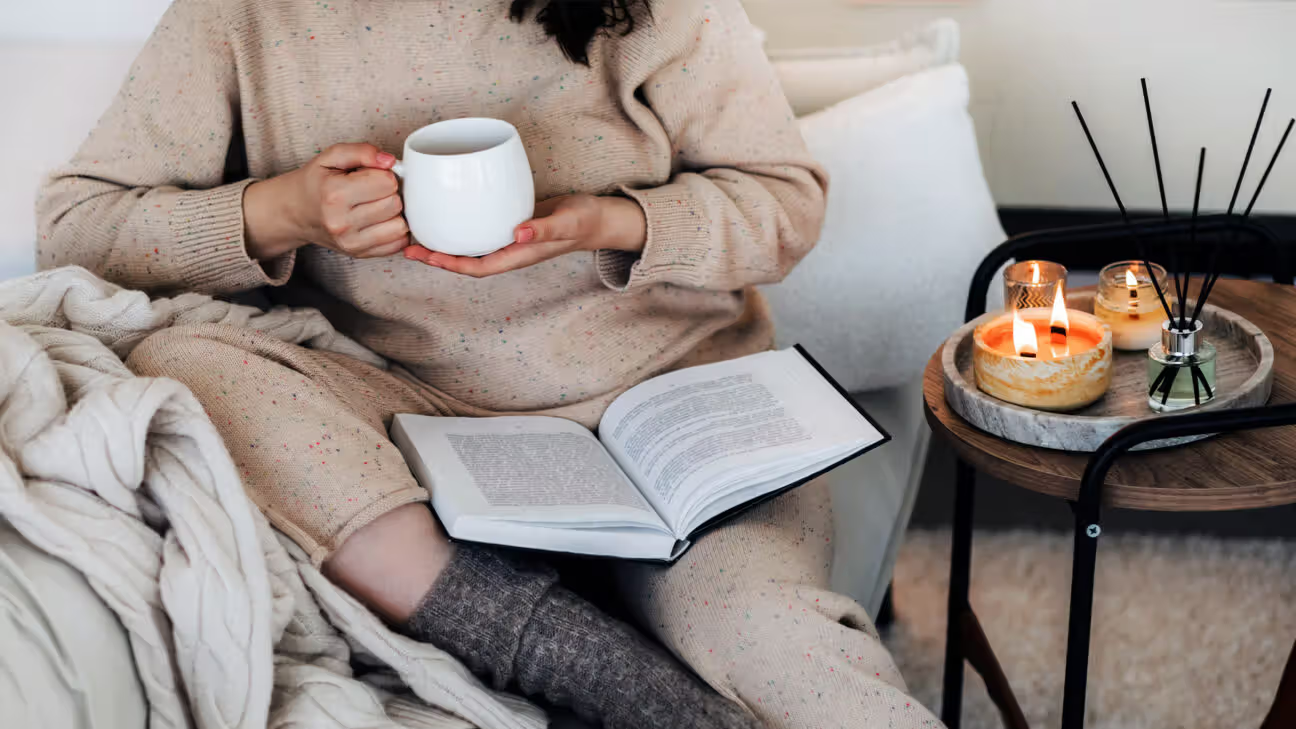
The habits you practice in the evening may influence how well you transition from the activity of the day to the rest of the night. By incorporating supportive practices, you can create an environment that encourages relaxation and prepares your body for sleep.
These habits don't need to be time-consuming or complex. Even small, consistent actions may make a difference in how you feel as you approach bedtime.
Set a specific time to stop using electronic devices. This may help reduce exposure to stimulating content and blue light that can interfere with your natural sleep signals.
Spend a few minutes organizing what you'll need for the next day. This simple practice may reduce morning stress and help clear your mind before bed.
Adjust your bedroom environment by dimming lights, setting a comfortable temperature, and removing clutter to create a peaceful atmosphere.
Light stretching or slow, mindful movement may help release physical tension and signal to your body that it's time to slow down.
The timing of your evening habits matters. Starting your wind-down routine at a consistent time each night may help regulate your internal clock and make it easier to fall asleep naturally.
Consider beginning your evening routine 60-90 minutes before your intended bedtime. This gives you enough time to complete your practices without feeling rushed.
Choose calming, enjoyable material that doesn't require intense concentration or create emotional stress.
Soft, instrumental music or nature sounds may help create a peaceful atmosphere and calm your mind.
The temperature drop after a warm bath may naturally promote sleepiness and help you feel more relaxed.
Journaling thoughts or making lists may help process the day and clear mental clutter before sleep.
Simple breathing techniques may activate your relaxation response and reduce evening tension.
Certain scents like lavender may create a calming environment that supports relaxation.
Disclaimer: All materials and practices presented are for educational and informational purposes only and are intended to support general well-being. They do not constitute medical diagnosis, treatment, or advice. Before applying any practice, especially if you have health concerns, consult a qualified healthcare professional.